Upgrade Your Yard With Skilled Artificial Grass Placement
Upgrading a yard with professional synthetic turf installation offers various advantages. Homeowners can achieve a rich, green landscape free of the demands of traditional lawn upkeep. Experienced installers concentrate on careful preparation and premium materials, ensuring longevity and visual attractiveness. Property values rising alongside decreasing maintenance costs lead many to think about this contemporary solution. Yet, before making a decision, it’s essential to explore the key benefits and considerations involved. Which factors should be considered in this change?
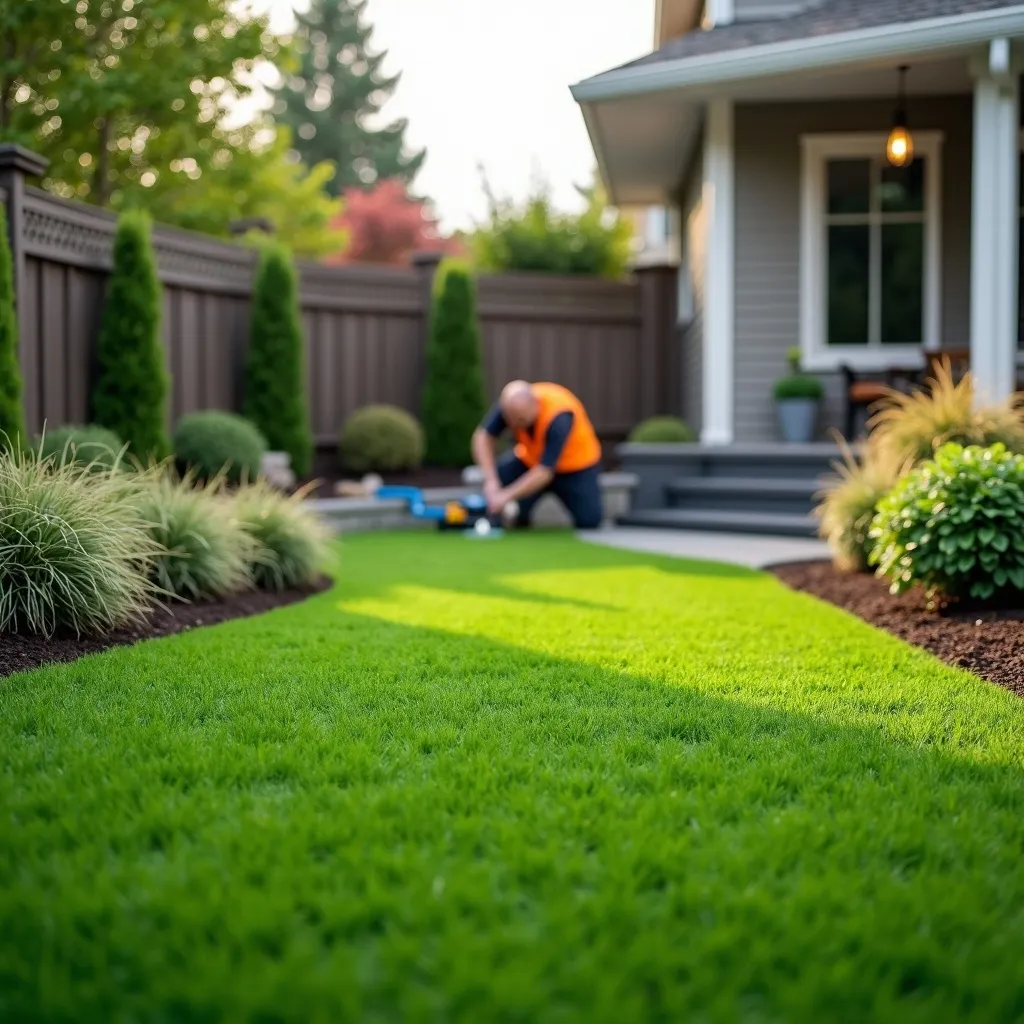
Why Prefer Synthetic Turf? Key Strengths Reviewed
Synthetic turf provides numerous advantages that make it an appealing choice for various applications. One important benefit is its minimal maintenance requirement. Unlike natural grass, synthetic turf does not need regular mowing, watering, or fertilization, which conserves time and resources. Additionally, it remains vibrant and green year-round, regardless of climate conditions, providing consistent aesthetics.
One more advantage is resistance; synthetic turf can withstand heavy foot traffic and adverse weather without breaking down. This durability makes it ideal for sports fields, playgrounds, and residential lawns. Moreover, synthetic turf is designed to be safe and non-toxic, lowering the risk of allergens and pests.
Cost-effectiveness remains a principal advantage, as it can enable lower water bills and decreased upkeep expenses over time. Overall, the combination of aesthetics, durability, safety, and financial savings makes synthetic turf an increasingly favored choice for homeowners and businesses alike.
Finding the Best Variety of Synthetic Turf
Selecting the appropriate category of artificial grass involves several primary considerations. Factors such as pile height, resistance to wear, and accessible finish and design options contribute an essential role in ensuring the turf achieves targeted needs. Understanding these components enables in making a sound choice that aligns with usage requirements and aesthetic preferences.
Turf Pile Height Considerations
When selecting the right type of synthetic turf, pile height plays a significant role in both aesthetics and functionality. Pile height, which refers to the length of the grass blades, strongly affects the look and practicality of the turf. Shorter piles, typically around 1 to 1.5 inches, offer a more trimmed, tidy look and are often preferred for busy areas, as they resist flattening. In contrast, taller piles, ranging from 2 to 2.5 inches, deliver a lush, natural look, ideal for residential lawns and recreational areas. However, taller turf may require additional care to maintain its structure. Ultimately, choosing the best pile height requires balancing aesthetic choices with practical needs to achieve the optimal result for any outdoor space.
Substance Durability Considerations
Durability functions as a essential element in choosing the right type of synthetic turf. When selecting synthetic grass, one must evaluate the substances used in its manufacture, as they directly impact longevity and performance. High-quality polyethylene fibers are often favored for their protection to wear and fading, while nylon options deliver superior resilience under heavy foot traffic. Additionally, the turf's backing material holds a significant role; a robust, UV-treated backing can enhance stability and prevent deterioration over time. Understanding the infill options is also important, as certain materials can enhance cushioning and help maintain turf shape. Ultimately, selecting durable synthetic turf guarantees that the investment endures environmental challenges while providing lasting beauty and functionality.
Color and Texture Alternatives
Synthetic turf's aesthetic quality depends heavily on its shade and texture selections, and selecting the best blend can significantly boost the overall landscape. Homeowners can choose from a selection of colors that range from vibrant greens to subtle earthy shades that imitate genuine grass. Texture holds significance; options include plush, cushioned textures ideal for play areas to thicker, tough varieties fit for high foot traffic. The connection between color and texture can highlight focal points or harmonize naturally with surrounding outdoor elements. Ultimately, choosing the right synthetic grass enhances aesthetic value but also meets functional needs, guaranteeing the yard is practical and inviting for various activities.
Preparing Your Yard for Synthetic Turf Installation
Preparing a yard for synthetic turf installation requires several essential steps. First, evaluating the current terrain guarantees that the area is suitable for the new surface. Next, clearing debris and obstacles, followed by leveling and grading the soil, creates an perfect foundation for the turf.
Evaluate Your Current Landscape
What steps can property owners follow to ensure their yard is ready for synthetic turf installation? First, they should assess the existing soil conditions, making sure it is well-draining and free of contaminants. Homeowners need to identify any inclines or uneven areas that may require leveling to provide a stable foundation for the turf. Additionally, they should consider the sun exposure and existing vegetation, as these elements influence the installation process and turf performance. It is also crucial to assess any irrigation systems, as they might need adjustment or removal. By carefully reviewing these elements, homeowners can create an ideal environment for synthetic turf, ensuring a successful and enduring installation. Proper assessment sets the stage for a seamless transformation of the yard.
Remove debris and obstructions
To ensure a smooth installation of synthetic turf, homeowners must first empty their yard of clutter and obstructions. This step is critical for realizing a uniform ground and safeguarding proper drainage. Homeowners should begin by extracting any rocks, branches, or leaves that may obstruct the installation process. Additionally, standing lawn furniture, toys, and garden features must be displaced to provide unobstructed access to the installation area. It is prudent to check for any underground utilities, as this can prevent potential problems. By fully preparing the space, homeowners create an ideal environment for synthetic turf installation, supporting a continuous process that enhances the overall aesthetics and utility of the yard.
Adjust Level and Grade Soil
Achieving a flat and leveled surface is critical for the correct installation of synthetic turf. Thorough soil conditioning guarantees evaluation proper drainage and reduces the risk of irregular wear patterns. This process includes analyzing the landscape contours, identifying low spots, and addressing any high areas. Employing a rake or grading implement, the soil can be flattened and pressed, creating a uniform base. It is necessary to remove any rocks, roots, or debris that could hinder the installation. Additionally, verifying the slant carries water from structures helps eliminate water buildup and improves longevity. Engaging professionals in this step can enhance accuracy, leading to a stunning, functional outdoor space that fulfills the appearance and utility needs of homeowners.
How Does Professional Setup Improve Longevity?
While numerous factors contribute to the endurance of synthetic turf, expert installation is important in strengthening its toughness. Expert installers guarantee that the turf is positioned on a properly prepared base, which includes compacting the sub-base to prevent settling and uneven wear over time. This preparation minimizes the risk of shifting or wrinkling that can occur with inadequate installation.
Moreover, experts employ premium bonding agents and seams, which are crucial for preserving the integrity of the surface. Accuracy in cutting and joining pieces prevents unraveling and enhances the visual appeal.
In addition, a expert grasps the significance of correct infill application, which supports the surface and provides durability. By following industry guidelines and proven methods, professional installers establish a robust foundation that substantially extends the lifespan of synthetic turf, assuring it withstands heavy foot traffic and changing weather conditions without deteriorating.
What to Expect During Setup?
Synthetic turf installation develops through a sequence of carefully orchestrated steps that guarantee a flawless outcome. Initially, the area is sized and marked, guaranteeing precise positioning and protection. Subsequently, the current grass and refuse are cleared, creating a spotless base. The ground is subsequently graded to promote proper water drainage, an important aspect in preventing water buildup.
Next, a weed barrier is put down to inhibit additional weed development, then the setup of a firmly packed base layer, commonly constructed from crushed stone or decomposed granite. This layer boosts strength and shock absorption. Then, the synthetic turf rolls are precisely positioned, making certain minimal seams and greatest visual charm.
The final steps comprise fixing the turf with fasteners or sealant, followed by infilling with fine particles or elastic pellets to maximize robustness and copy natural grass. This involved workflow culminates in a beautiful, low-maintenance lawn prepared to enjoy immediate enjoyment.
Effortless Maintenance Techniques for Your Artificial Lawn
Maintaining a man-made lawn is easy to do and can be achieved with low effort. Regular maintenance consists of some basic tasks that help keep the turf looking pristine. First, occasional brushing with a rigid broom lifts the fibers and prevents matting, ensuring a lifelike appearance.
Next, fallen leaves and branches should be eliminated frequently, either through manual removal or a leaf blower, to prevent accumulation and potential discoloration. If pets are present, promptly cleaning up after them is vital, as it lessens odors and preserves cleanliness.
Additionally, cleaning the surface with water can help remove dust and allergens, creating the lawn more pleasant for everyone. For areas facing high foot traffic, periodic infill replenishment may be required to maintain stability and appearance. Implementing these simple strategies allows homeowners to enjoy a vibrant, low-maintenance lawn year-round.
Understanding the Expenses: Is Synthetic Turf Worth It?
How does one determine the value of synthetic turf in comparison to traditional grass? Calculating costs involves factoring in both initial installation and long-term maintenance. While the upfront expense of synthetic turf can be significant—ranging from $5 to $20 per square foot—its longevity often makes it a cost-conscious choice. Synthetic lawns can last 15 to 25 years without the need for regular mowing, watering, or fertilizing, substantially reducing ongoing operational expenses.
Homeowners should consider the environmental impact. Synthetic turf reduces the use of pesticides and herbicides, supporting a more sustainable landscape. In addition, it maintains a uniform, green appearance year-round, which can enhance property value.
In the end, the importance of synthetic turf is based on personal choices and situations. For those pursuing low maintenance and aesthetic appeal, the investment may be justified, while traditional grass might still suit others' needs better.
Frequently Requested Questions
May Synthetic Turf Be Put Over Existing Grass?
Yes, synthetic grass can be positioned over current grass, but adequate preparation is vital. This necessitates verifying the grass is flattened and free from debris to create a suitable foundation for the new turf placement.
What Is the Lifespan of Synthetic Turf Commonly?
Synthetic turf usually endures for 15 to 25 years, depending on elements including quality, maintenance, and environmental conditions. Consistent care can enhance its lifespan, rendering it a durable option for various landscaping needs.
Is Fake Turf Secure for Pets and Kids?
Synthetic turf generally provides safety for pets and children, as it is engineered to be free from toxins and devoid of dangerous substances. Consistent upkeep guarantees hygiene, creating a safe play environment for both pets and kids.
Can Synthetic Turf Go through recycling?
Yes, synthetic grass can be reused. Many manufacturers offer initiatives to recover old turf, allowing it to be converted into new materials. This assists reduce waste and supports environmental sustainability in landscape design.
What Happens if It Rains After Setup?
Once installation is finished, synthetic turf typically drains rainwater effectively, avoiding puddles. Still, it may involve light maintenance post-rain, including debris removal and brushing, to secure peak performance and appearance throughout rainy periods.